
Why Are Copper Electricity Cables Being Cut in Sierra Leone?
Attacks on electricity infrastructure pose a serious threat to Sierra Leone’s development. Yet no one has taken responsibility for cutting vital copper cables. Who benefits, and why?
President Bio has made significant investments in road improvements and rural electrification to transform the country. His critics—especially those aligned with the opposition—see this progress as a threat. Some members of these groups have resorted to sabotaging electrical systems to discredit him and undermine confidence in his government.
Many of the perpetrators share common traits: they come from disgruntled regions, oppose the SLPP, or resent President Bio’s leadership. Some claim affiliation with the so‑called Tolongbo faction, spreading propaganda that mocks the policies underway. Through such narratives, they mislead communities and amplify dissatisfaction.
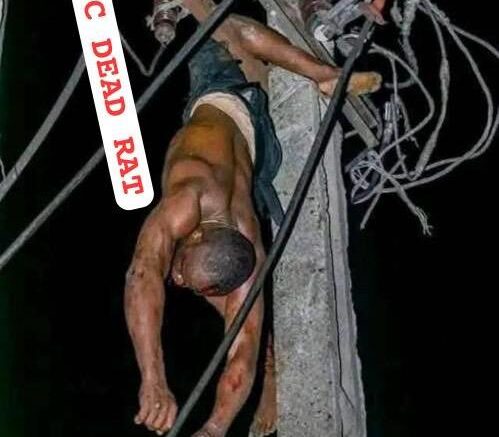
Breaking into neighborhoods, they cut copper cables to disrupt electric service. Their motive is twofold: to steal copper for resale and to erase evidence of progress that they cannot counter by argument. Some critics suggest that APC-aligned actors incite these attacks to portray the government as incompetent.
Records show that cable destruction increased following President Bio’s rise to power. The same pattern appeared during prior administrations but escalated now, especially in regions where political tensions run high.
Local communities often recognize the culprits. Yet they lack the capacity to secure transformers and cables effectively. The government should erect barriers around key electrical sites and enforce strict penalties for vandalism. It must also deploy and adequately compensate community-based detectives to monitor vulnerable lines and report incidents promptly.
We cannot wait for the next strike, which could occur near the State House or in major population centers. Action must be swift; the stability of the power supply depends on it. If light fails, citizens lose more than convenience—they lose confidence in progress.
Let us remember: preserve your neighbor’s property as you would your own.